Dance Academies in Miami – A Guide to Studios by Style

This directory lists dance studios and academies in Miami with what you need to decide: the styles they teach, address, phone, social media and website. You will find studios for salsa, bachata, ballet, hip hop, jazz, tango and ballroom, with classes for beginners and experienced dancers.

Listings are based on each academy’s public information and are sorted by last update, not ranked. Schedules, prices and teachers change often, so always check with the studio before signing up. If you run an academy or spot outdated details, you can add it or request a correction.

Search the directory
Table of content

Dance schools and academies in Miami

Phone: +13052325573

Address: 8853 SW 132nd St, Miami, FL 33176, United States

Phone: +13053968839

Address: 300 Altara Ave, Suite 1415, Coral Gables, FL 33146, United States

Phone: +13059297007

Address: 2200 Liberty Ave, Miami Beach, FL 33139, United States

Phone: +13055530555

Address: Salsa Kings, Inside Wizards of Ecom, 8260 NW 27th St #408, Doral, FL 33122, USA

Phone: +17863834907

Address: Studio 1890, 1890 SW 57th Ave #107, Miami, FL 33155, USA

Phone: +17863258017

Address: ES Dance Studio, 7640 NW 25th St #110, Miami, FL 33122

Browse academies by dance style

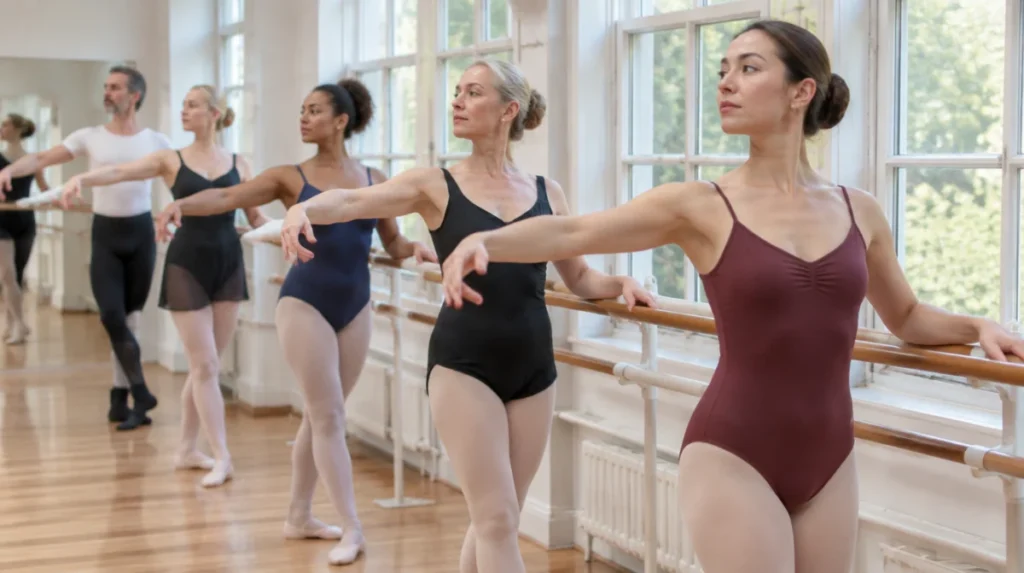
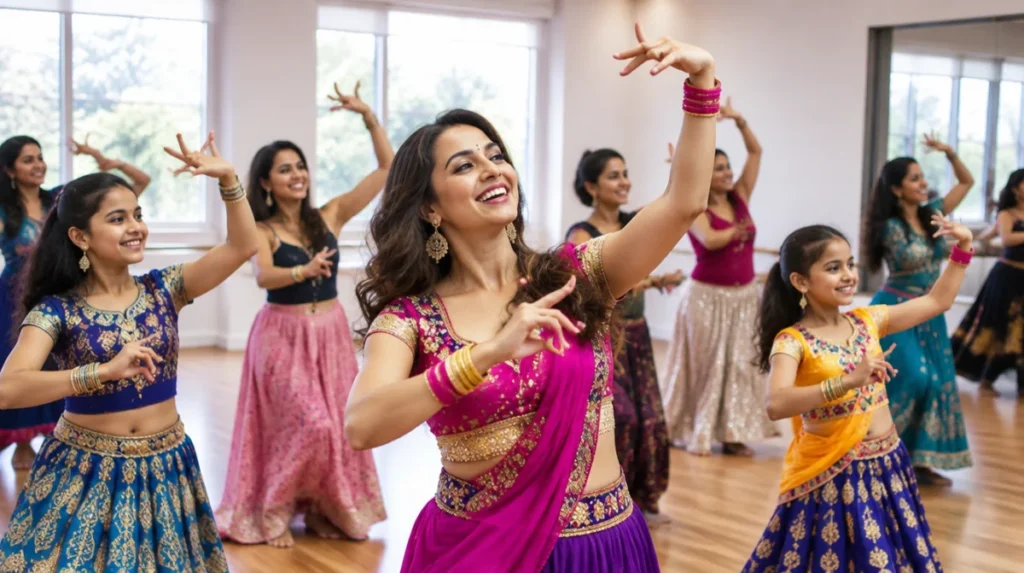
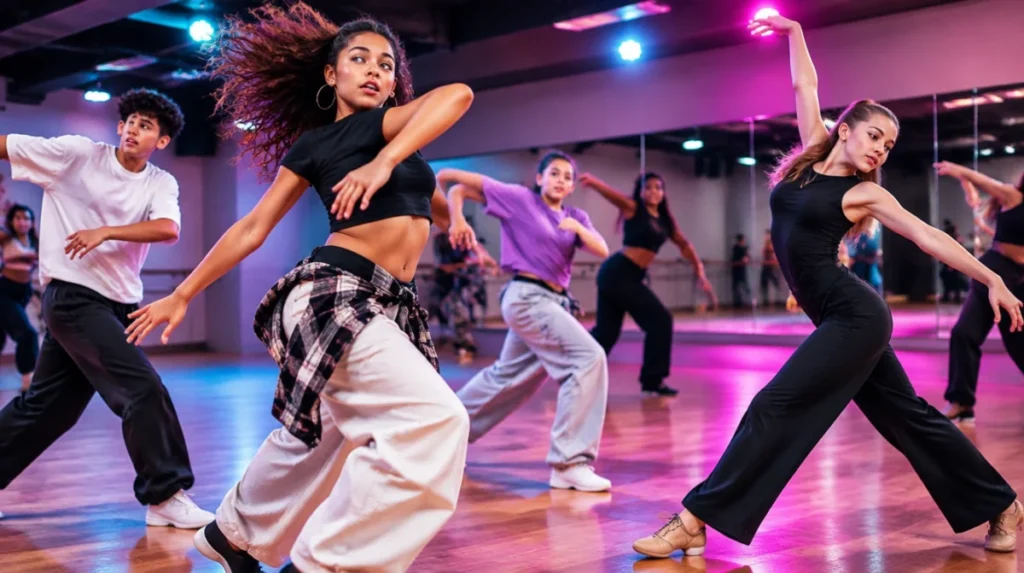
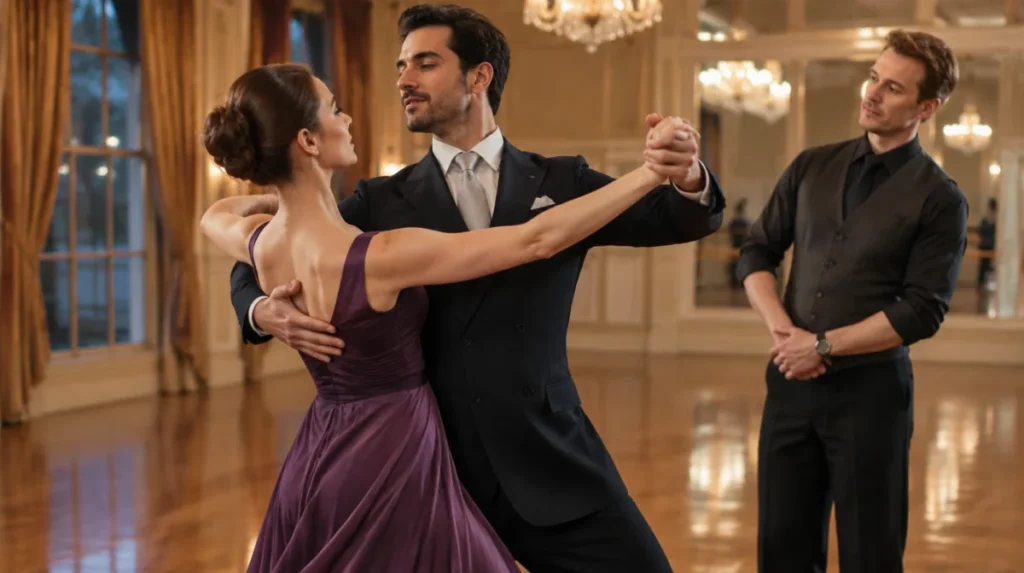
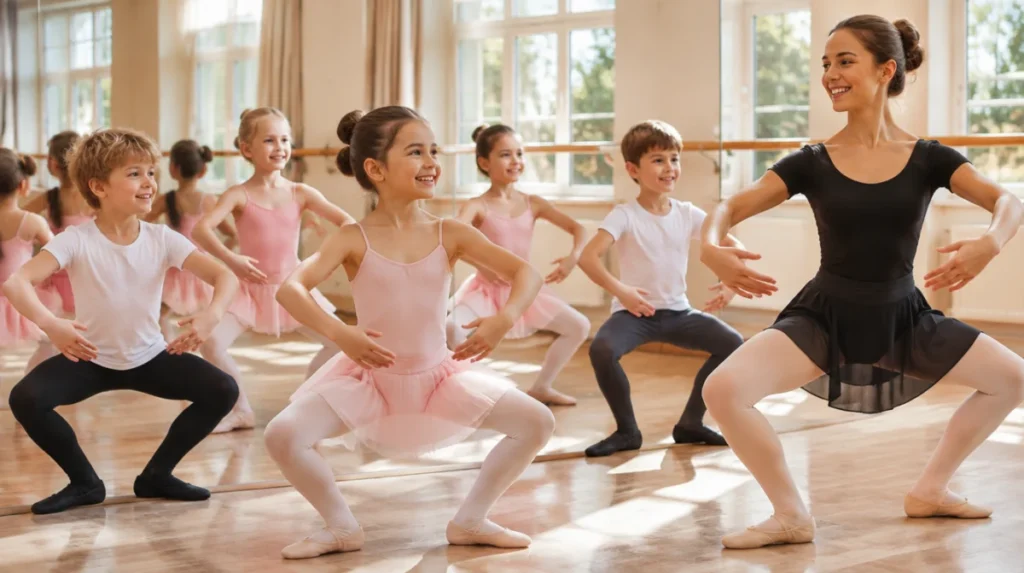
If you are not sure which style to choose, start with the music you enjoy. Salsa and bachata are the easiest social dances to practice in Miami, with classes and dance nights almost every day. Ballet, jazz and contemporary build solid technique, especially for children and teens. Hip hop and reggaeton are taught through group choreography, while tango and ballroom are popular with couples and for wedding first dances.

Benefits of learning at a dance school

Dancing is real exercise. The U.S. physical activity guidelines recommend that adults get at least 150 minutes of moderate activity per week, and the American Heart Association lists ballroom and social dancing as examples of moderate-intensity activity. Two or three classes a week cover a good part of that goal.

Learning at a studio, rather than only from videos, has clear advantages: a teacher corrects posture and technique before they become bad habits, classes follow a level-based progression, and in partner dances you rotate partners, which is how you learn to lead and follow. Most studios also host socials and student showcases, which makes it easier to meet people and get over the fear of dancing in public.

Miami and dance, a scene with Latin roots

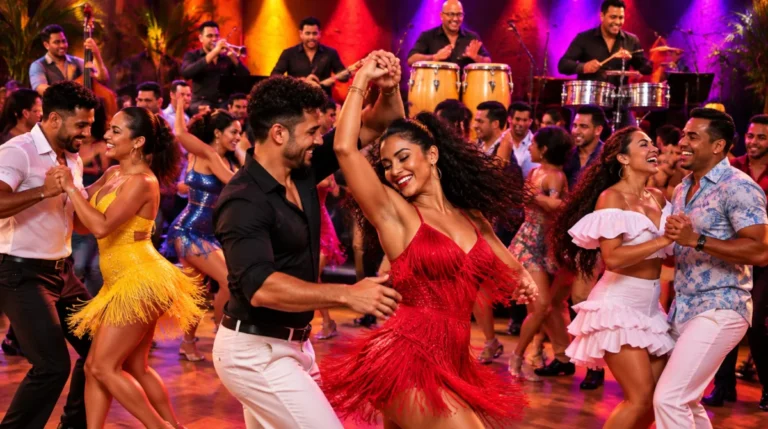
According to the U.S. Census Bureau, most of Miami-Dade County’s population is of Hispanic or Latino origin, and you can feel it on the dance floor. Salsa, bachata, merengue and Cuban casino rueda are part of the city’s social life, and many studios teach both linear (On1 and On2) and Cuban-style salsa.

The city also has a strong concert dance scene. Miami City Ballet, based in Miami Beach, runs a school for students aged 3 to 18 that follows the Balanchine method, and every summer the International Ballet Festival of Miami, founded by Pedro Pablo Peña, brings companies from several countries. In March, the Calle Ocho Music Festival, organized by the Kiwanis Club of Little Havana as part of Carnaval Miami, fills Little Havana with music and street dancing.

How to choose a dance school in Miami

Before you sign up, check these points. They will save you money and help you pick a studio you will actually stick with:

  • Style and level. Make sure the studio teaches the style you want and has groups for your level, not just general classes.
  • Trial class. Many studios offer a free or discounted first class. It is the best way to see how the teacher explains and what the atmosphere is like.
  • Schedule and location. A studio 15 minutes away with easy parking usually beats a better-rated one across town.
  • Group or private lessons. Group classes are cheaper and more social; private lessons move faster and help with choreography or a wedding dance.
  • Clear pricing. Ask about monthly packages, registration fees, cancellation charges and whether memberships renew automatically.
  • Teachers. Look up their background on the studio’s website or social media and watch videos of their students.
  • Socials and events. For salsa or bachata, practice nights matter as much as classes.

Dance styles you can learn in Miami

  • Salsa. The most widespread social dance in the city, usually taught in linear style (On1 or On2) or as Cuban casino, which includes group rueda.
  • Bachata. From the Dominican Republic, with simple basic steps. Many studios teach both Dominican and sensual bachata.
  • Ballet. The technical foundation of most concert dance and the most common style in children’s programs.
  • Jazz and contemporary. They combine technique, turns and expression and are common in competition programs.
  • Hip hop and reggaeton. Choreography classes set to current music, popular with teens and young adults.
  • Tango and ballroom. Partner dances built on embrace and connection, including waltz, foxtrot, cha-cha or rumba depending on the studio.
  • Acro. A mix of dance and acrobatics, offered mainly by studios with kids’ programs.

Beginner dance classes in Miami

Almost every studio has beginner groups, and in group salsa or bachata classes you do not need a partner: teachers rotate students so everyone practices. For your first class:

  • Wear comfortable clothes and shoes that turn easily. Avoid very grippy rubber soles; for ballet and jazz the studio will tell you what to wear.
  • Arrive 10 minutes early to meet the teacher and tell them your level.
  • Bring water and give yourself at least a month of regular classes before deciding whether the style is for you.
  • If the studio hosts socials, go even if you only know the basic step. That is where you learn the most.

Advanced and specialized classes

If you already dance, look for studios with clearly separated intermediate and advanced levels, technique workshops (turns, styling, musicality) and choreography teams or student companies. Some studios prepare students for competitions and showcases, and others offer private lessons to work on specific skills. Also ask whether they host workshops with guest teachers, which are common around Miami’s dance congresses and festivals.

Dance events in Miami

Besides the socials hosted by the studios themselves, Miami has regular events for dance lovers:

  • Calle Ocho Music Festival (March). A street party in Little Havana, part of Carnaval Miami, with Latin music stages.
  • International Ballet Festival of Miami (summer). Performances and galas with companies from several countries.
  • Miami City Ballet season. Classical and contemporary ballet programs throughout the year.

Dates change every year, so check each event’s official website. For salsa and bachata nights, the most reliable source is the social media of the academies in this directory, which post their socials week by week.

Keep learning

Our blog (in Spanish) covers the history and technique of the dances taught in Miami, from the clave in salsa and son to how African rhythms shaped Latin dance.

Missing an academy? Send us its details and we will review it for the directory.

Blog Articles

Frequently asked questions

How much do dance classes cost in Miami?

It depends on the style, the format and the studio. Group classes are usually sold as drop-ins or monthly packages, and private lessons cost considerably more per hour. Prices change often, so ask each studio directly about packages, registration fees and cancellation policy.

Do I need a partner to learn salsa or bachata?

No. In group salsa and bachata classes teachers rotate students so everyone practices with different people. You only need a partner for some private lessons or wedding dance courses.

Which dance style is easiest for beginners?

Bachata and merengue have simple basic steps and are quick to learn. Salsa takes a bit more practice, but Miami has plenty of classes and socials to help you progress. If you want technique from scratch, especially for children, ballet is the foundation of most concert dance.

Are there dance studios for kids in Miami?

Yes. Several studios in this directory run children's programs in ballet, jazz, hip hop, contemporary and acro. Each listing shows the styles offered and contact details so you can ask about ages and schedules.

How do I add my studio to the directory?

Send us the details from the Add Dance Academy page. We review the information before publishing it.